Cycling Comfort Tips for Retirees
Master the essentials of comfortable, pain-free cycling with practical advice tailored for riders 55 and beyond

Why Comfort Matters on the Bike
Getting back on a bike after years away doesn't mean dealing with aching joints and sore muscles. We've worked with hundreds of retirees who discovered that the right setup transforms everything — from how far you can ride to whether you actually want to go out again next weekend.
The difference between a painful 10-mile ride and an enjoyable one often comes down to small adjustments: seat height, handlebar position, proper footwear. You don't need expensive gear or a complete bike overhaul. What you need is knowledge about your own body and how it interacts with your bike.
Get Your Saddle Right
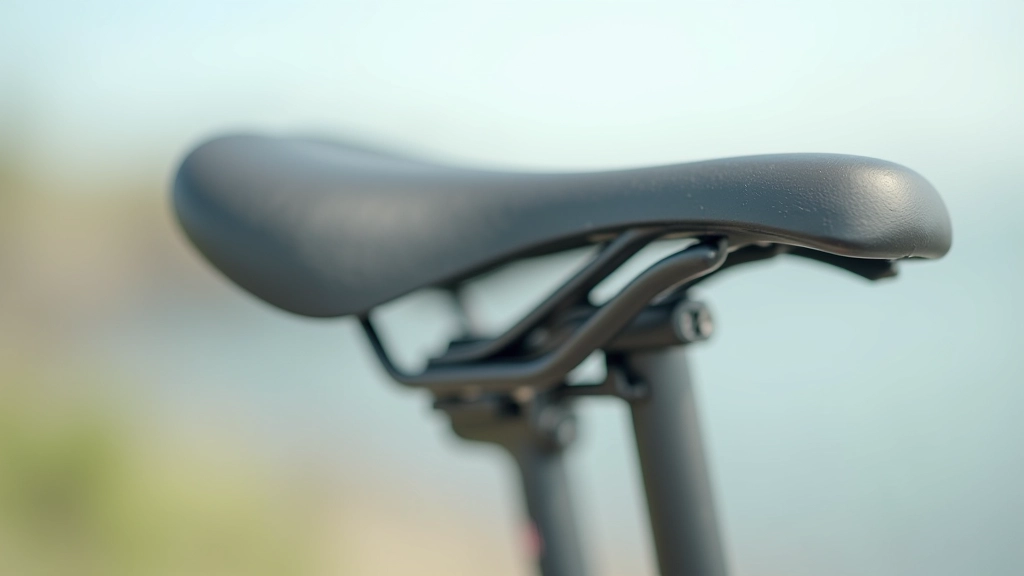
Your seat isn't just where you sit — it's the foundation of comfortable cycling. Most discomfort in the first few weeks comes from the saddle. The good news? You don't need the fanciest one out there. You need one that matches your body and riding style.
Saddle Selection Tips
- Wider saddles (250mm+) suit relaxed upright riding positions
- Memory foam padding reduces pressure points on long rides
- Gel inserts absorb shock and vibration
- Test saddles before committing — rent or borrow first
Seat height matters too. You're looking for a slight knee bend at the bottom of your pedal stroke — not locked out, not cramped. We've seen riders who adjusted their seat height gain an extra 20% comfortable riding distance. That's the kind of improvement that changes how often you actually use your bike.
Finding Your Riding Position
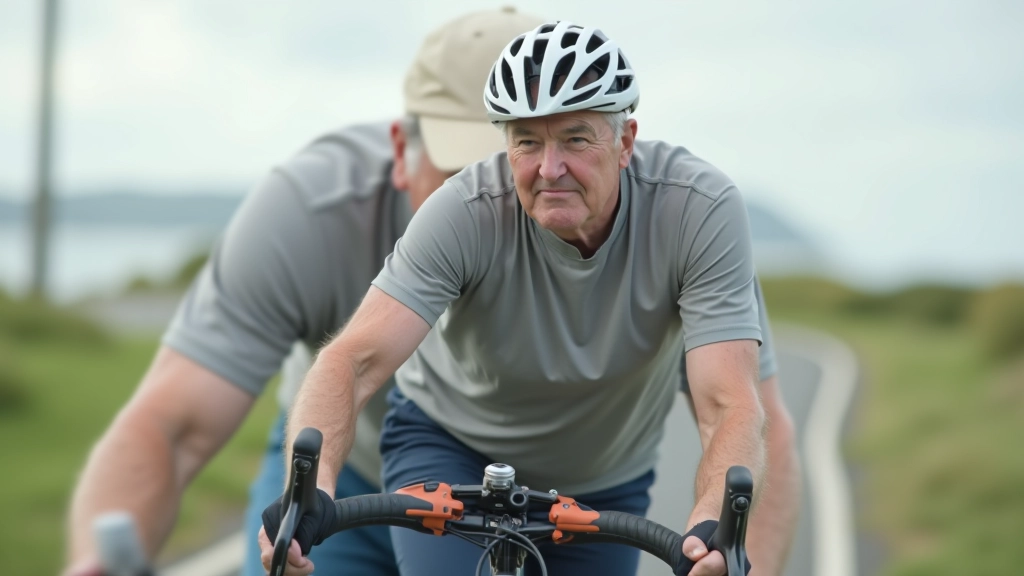
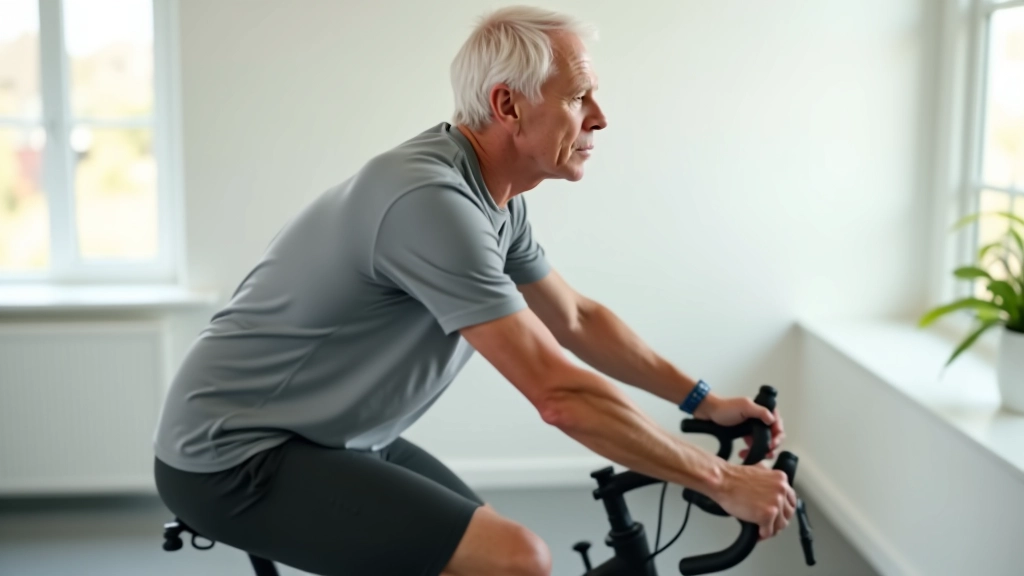
Your body position on the bike affects everything: your back, your wrists, your neck, how much effort pedaling takes. Retirees often do best with an upright or semi-upright position rather than the aggressive lean of racing bikes. Your weight distributes better. Your core doesn't work as hard. You can see the road ahead without cranking your neck.
Quick Test: When sitting on your bike with hands on the bars, your back should have a 45-degree angle to the ground — not hunched, not fully upright. If your shoulders hurt after riding, you're probably too stretched forward.
Handlebars deserve attention too. Straight bars, drop bars, cruiser bars — the style changes how your hands, wrists, and shoulders feel. We've found that flat or slightly swept-back bars work best for recreational riding. Your hands don't tire, and you've got multiple hand positions to shift weight around on longer rides.
Wear the Right Gear
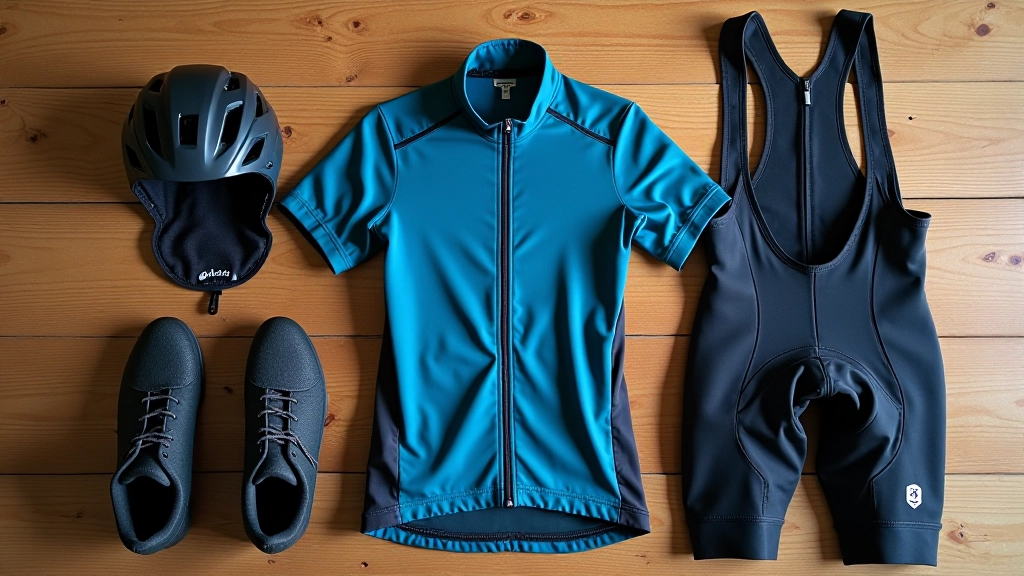
What you wear matters as much as your bike setup. Padded shorts or bibs aren't luxury — they're practical. They reduce friction, absorb sweat, and give your sensitive areas real protection. Moisture-wicking jerseys keep you dry and comfortable for hours. Regular cotton holds sweat and chafes.
Cycling gloves prevent hand numbness on longer rides. Proper shoes with stiff soles distribute pedal pressure across your foot instead of concentrating it on your arch. Sunglasses protect your eyes and keep road spray out. These aren't optional upgrades — they're the difference between enjoying your ride and dreading the pain afterward.
Essential Gear Checklist
Padded shorts or bibs (non-negotiable)
Moisture-wicking top or jersey
Cycling shoes with stiff sole
Padded cycling gloves
Important Note
This guide is educational and informational. Everyone's body is different, and what works for one rider might need adjustment for another. If you experience pain or discomfort while cycling, it's worth consulting with a bike shop specialist or physical therapist who can assess your specific situation. Start slowly with short rides, then build up distance as your body adapts to cycling again.
Maintain Your Comfort Setup
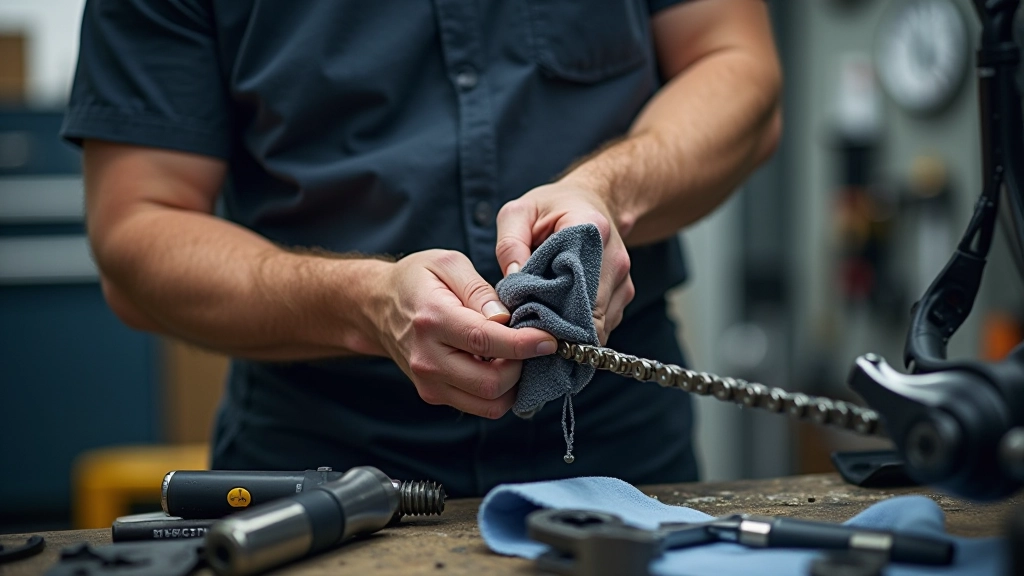
Once you've got your bike dialed in, keep it that way. Check your seat height every month — it can shift slightly with use. Inspect your saddle for wear and tear. Clean your bike regularly so you're not fighting rust and grit. A well-maintained bike feels smoother, quieter, and more responsive.
We recommend a basic tune-up each spring: brake adjustment, gear indexing, wheel true, chain cleaning. These aren't expensive services, and they'll extend your bike's life while keeping everything running smoothly. You'll notice the difference immediately.
Start Comfortable, Stay Active
Comfort isn't a luxury when you're getting back into cycling — it's what makes the difference between a hobby you love and one you abandon. You've got the time now to explore Ireland's beautiful coastal routes. Your bike should support that, not fight against it. Take time to dial in your setup, invest in proper gear, and you'll find yourself looking forward to rides instead of dreading them.
The routes around the island causeway, Great Blasket viewpoint, and Slea Head are stunning. They're worth experiencing without pain. Start with these comfort tips, ride smart, and you'll rediscover why cycling is so rewarding.
Related Routes